
Welcome to the Solar Energy Innovation Challenge! We’re seeking new ideas to improve solar power for a cleaner future. Whether it’s making panels more efficient, finding better ways to store energy, or tackling economic and regulatory barriers, we want your solutions. Join us in shaping the future of solar energy!
Exploring Technological Challenges:
- Efficiency Improvement: Constantly enhancing the efficiency of solar cells remains a major technological challenge. Innovation is required to develop materials and designs that can better absorb sunlight and convert it into power.
- Energy Storage: Efficient energy storage systems are crucial to overcome the intermittent nature of solar energy. Developing high-capacity, cost-effective energy storage devices will enable solar electricity usage even during periods of low sunlight.
- Integration with Infrastructure: Integrating solar technology with existing infrastructure, like buildings and transportation networks, presents technological hurdles. Effectively incorporating solar panels into various structures while maintaining their aesthetics and functionality is a challenging task.
Economic Hurdles:
- Initial Costs: Despite decreasing prices, installing solar systems often requires a significant upfront investment. Financial tools and incentives are needed to broaden consumer access to solar systems.
- Grid Integration Costs: Integrating solar energy into current electricity systems may require renovations and adjustments, leading to additional costs. Balancing the costs of grid connection with the benefits of clean energy production poses an economic challenge.
- Market Competition: Traditional energy sources with established infrastructures and economies of scale pose competition to solar innovation. Regulatory actions and market mechanisms are necessary to level the playing field.
Regulatory Barriers:

- Licensing & Permitting: Lengthy and complex licensing procedures can hinder the deployment of solar projects. Streamlining rules and expediting approval processes can encourage wider adoption of solar technology.
- Interconnection Regulations: Clear and standardized interconnection regulations are essential to ensure seamless integration of solar-generated power into the grid. Inconsistent regional restrictions can impede growth.
- Tariffs and Net Metering: Establishing fair net metering regulations and power prices for solar energy producers is crucial. Ensuring that solar users are adequately compensated for the surplus energy they supply back to the grid promotes the adoption of solar energy.
The Need for Interdisciplinary Collaboration:
Collaboration across disciplines is vital to address the aforementioned challenges. Experts from various fields, including materials science, engineering, economics, politics, and sociology, can collaborate to devise innovative solutions that consider both technological feasibility and societal impact.
Such collaboration can lead to comprehensive strategies that address the complex interaction between technology development, economic viability, and regulatory frameworks.
Achieving a sustainable energy future through solar innovation requires concerted efforts to overcome obstacles spanning technology, economics, and policy. Multidisciplinary cooperation is essential to fully harness solar energy and foster its global acceptance.
Let’s Go Green: Switch to Clean Energy!
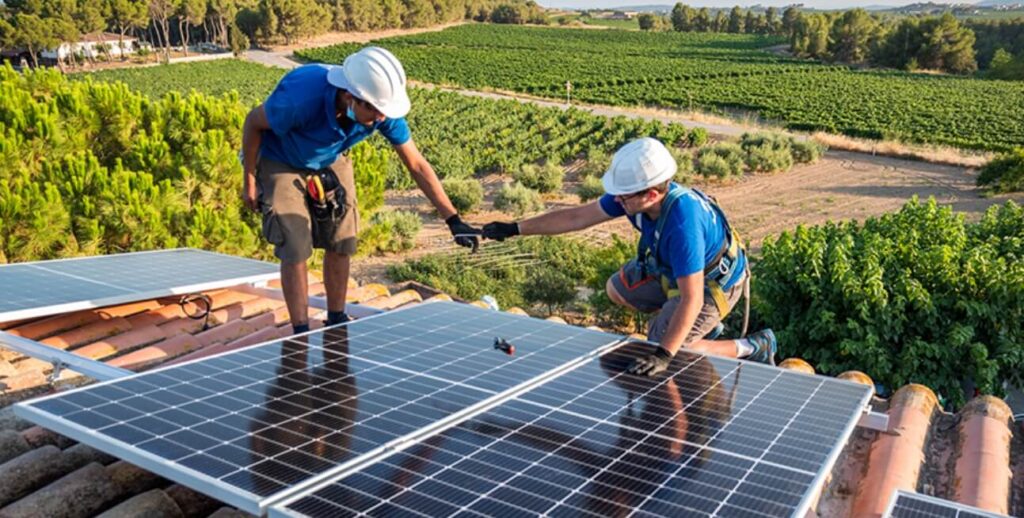
Burning fossil fuels like coal and oil is a big problem because it’s making our climate change worse. To fix this, we need to switch to using clean energy sources all the time, like sunshine, wind, moving water, and heat from deep underground.
This switch is super important because clean energy doesn’t pollute the air as much as fossil fuels. It also means we won’t run out of energy as easily, and it can create new jobs and make energy cheaper for everyone!
Propel the Energy Revolution: Do You Have a Groundbreaking Solution?
We’re looking for solutions to:
- Moving towards renewable energy sources.
- Making energy use more efficient and reducing greenhouse gases.
- Setting up carbon pricing and taxes.
- Developing electric vehicles and cleaner transportation options.
- Getting countries to work together on agreements.
- Providing funding to make renewable energy available to everyone.
Let’s join forces and demonstrate how businesses can make a difference! Share your ideas now!
4 Comments
Briana967
April 23, 2026Vera1404
April 23, 2026Alfredo3338
April 23, 2026Julie2154
April 23, 2026